
1. EARLY WARNING SIGNS OF A COOLING SYSTEM ISSUE
To keep equipment running reliably, it is crucial to identify potential failures before they result in costly downtime.
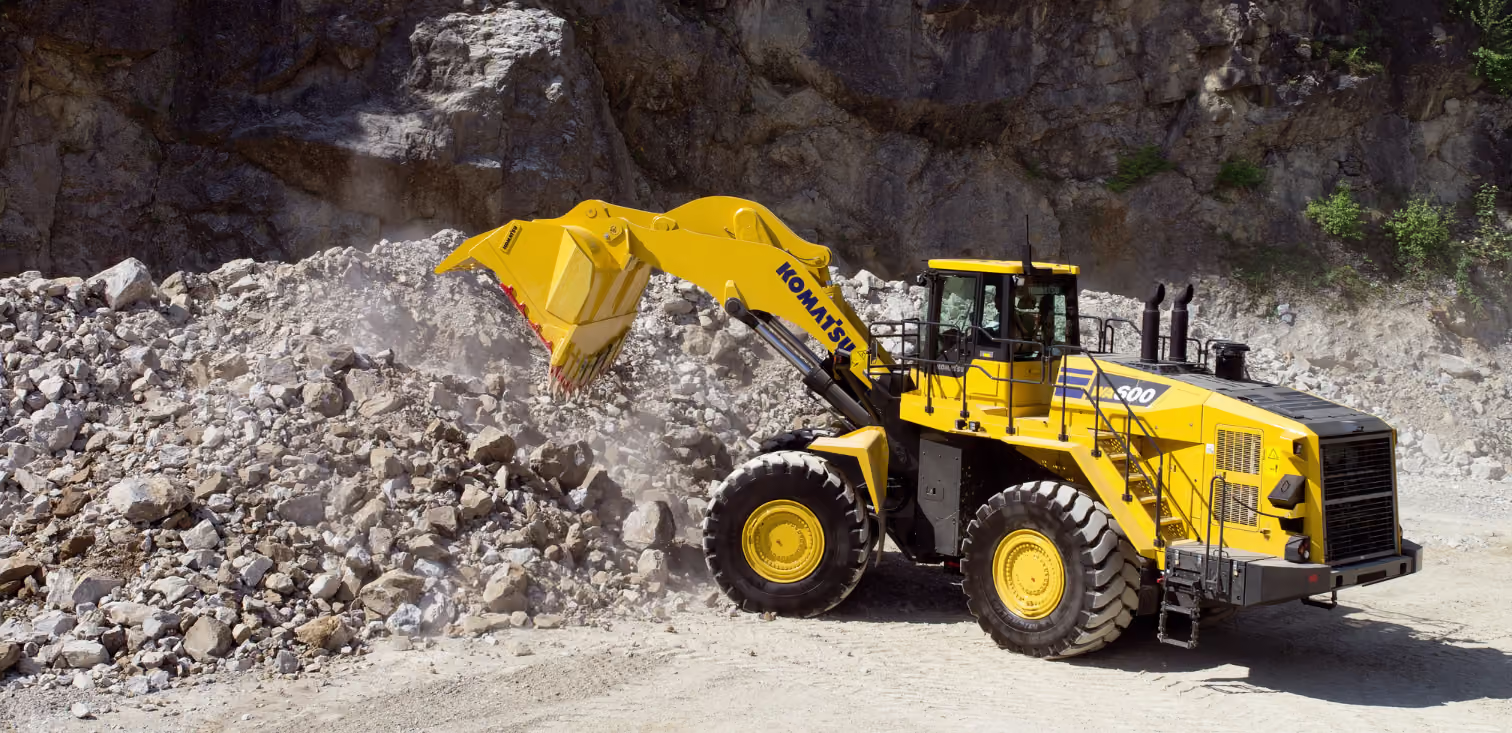
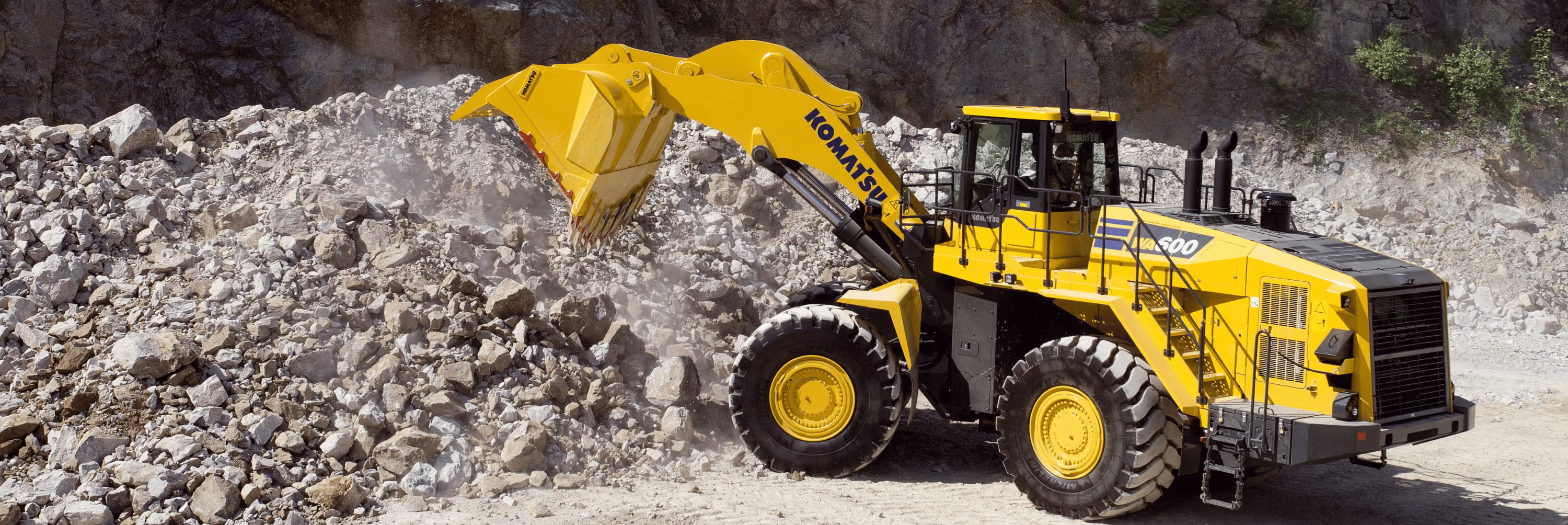
This case study demonstrates how SmartFleetDX Insights, our business intelligence and condition monitoring platform, identified an issue with the cooling fan pump on a WA600 wheeled dozer in the early stages, preventing serious damage to the engine and hydraulic systems.
2. UNUSUAL TEMPERATURE TRENDS DETECTED
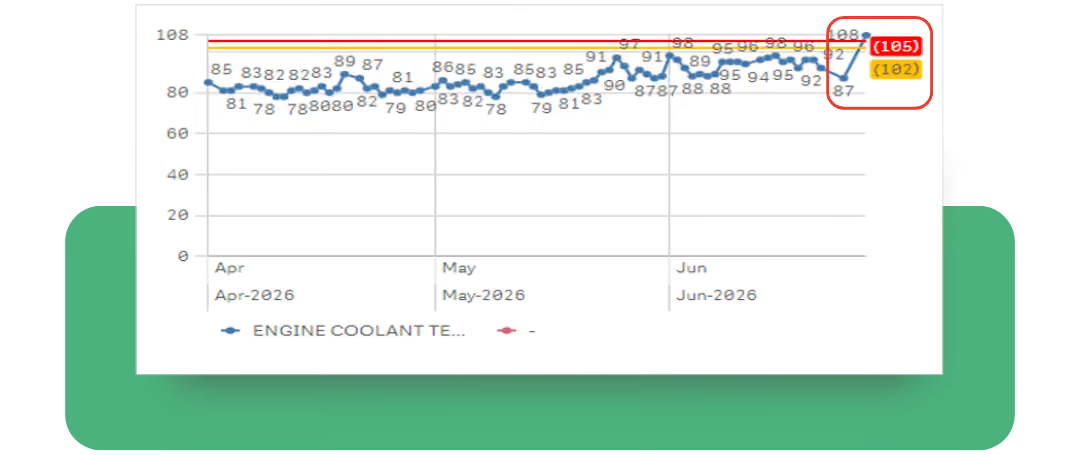
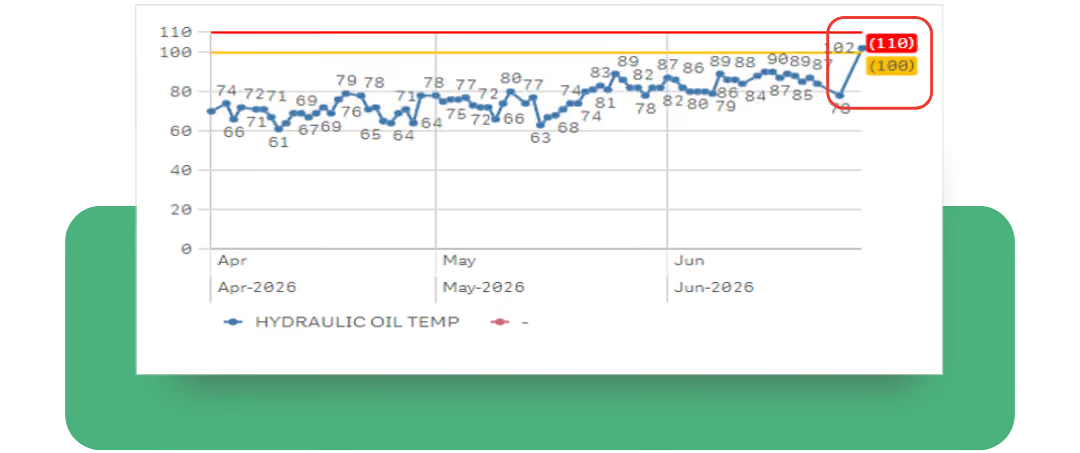
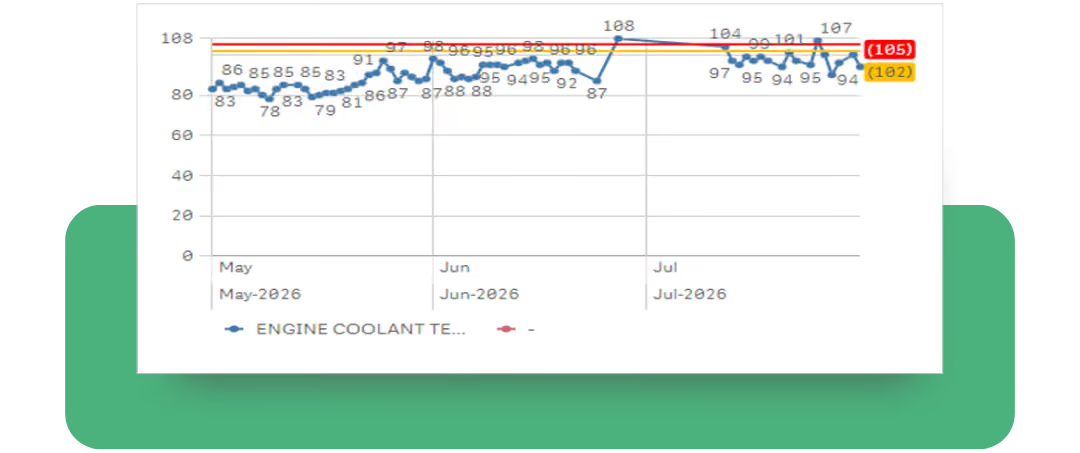
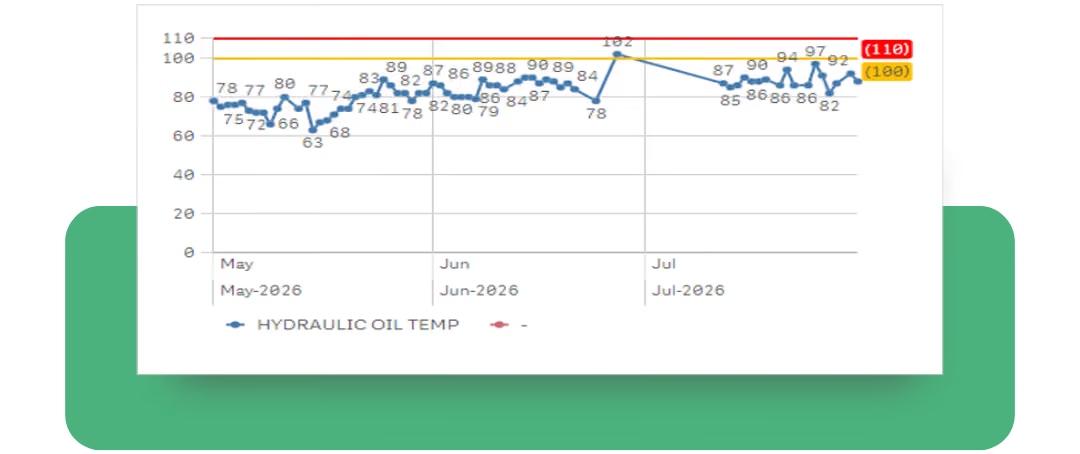
A routine Condition Monitoring Report from SmartFleetDX Insights identified a simultaneous increase in engine coolant and hydraulic oil temperatures. While these temperatures had not yet reached critical alarm levels, the trend suggested a potential issue with the cooling system's performance that required further investigation.
3. INVESTIGATING THE ROOT CAUSE
Following the initial alert, the Condition Monitoring team analysed historical machine data and confirmed that both temperatures had risen together over time. This indicated a deterioration in cooling system performance, prompting a targeted inspection of the cooling circuit.
4. COOLING FAN PUMP IDENTIFIED AND REPLACED
Using data from SmartFleetDX Insights, technicians performed a targeted inspection and identified a deteriorating cooling fan pump as the root cause of the issue.
The fan pump was replaced before it could fail, thus restoring the cooling system's performance. Acting early prevented rising coolant and hydraulic oil temperatures from causing more serious damage to the engine and hydraulic system.
5. AVOIDING COSTLY DAMAGE AND DOWNTIME
Through SmartFleetDX’s condition monitoring and analysis of machine performance data, the simultaneous increase in engine coolant and hydraulic oil temperatures was detected and traced back to a deteriorating cooling fan pump.
By addressing the issue before it could lead to failure, the intervention prevented prolonged thermal stress and significantly reduced the risk of major damage to the engine and hydraulic systems. With the engine alone representing an estimated replacement value of around USD 200,000, the early detection of the issue helped to avoid substantial potential repair costs while reducing the risk of unplanned downtime and production losses.