

1. DATA INSIGHTS HIGHLIGHT COSTLY REACTIVE PRACTICES
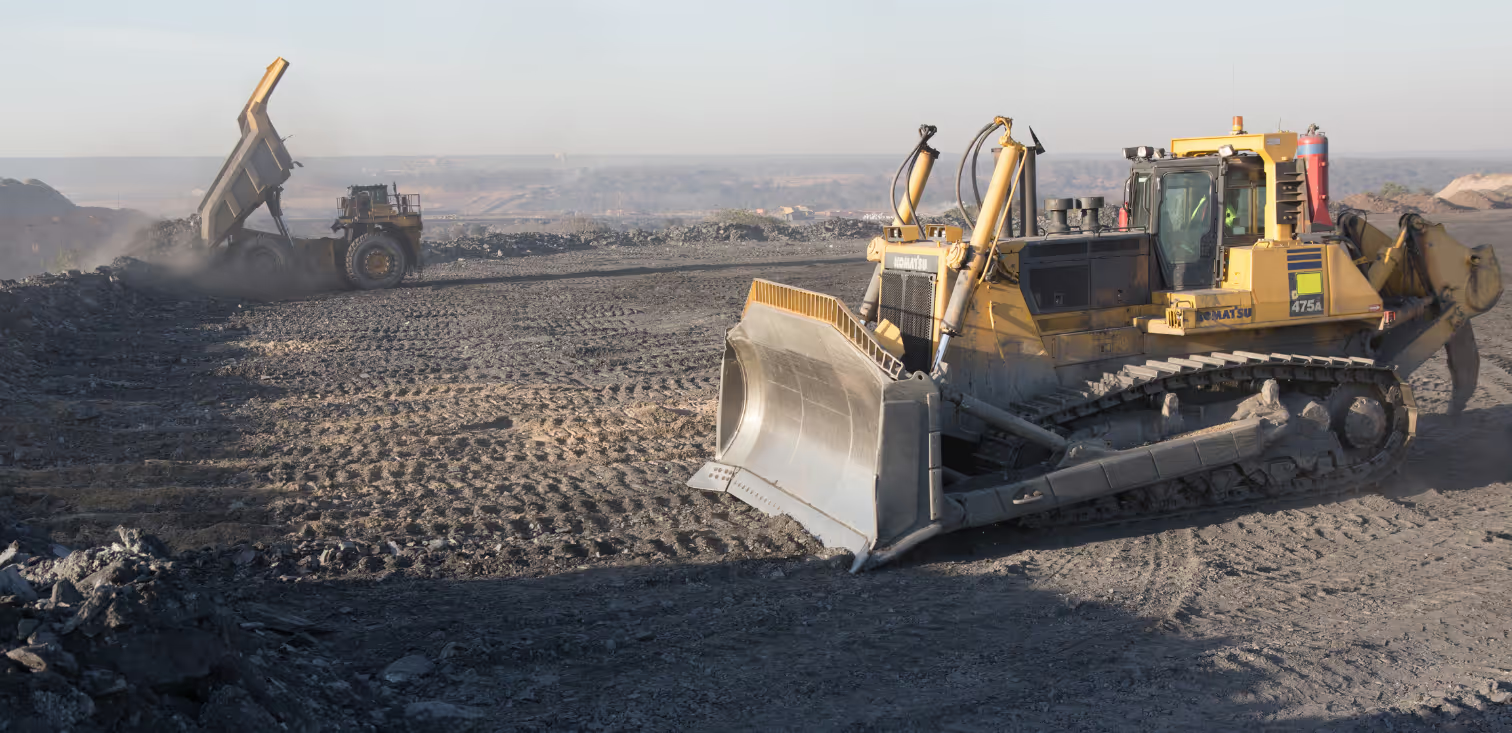
Undercarriage components are one of the most significant maintenance costs for dozers. Yet many operations still delay inspections to monitor wear rates.
Without predictive insights, maintenance practices often become reactive. Components may be replaced too late, leading to emergency procurement, costly logistics and unnecessary machine downtime.
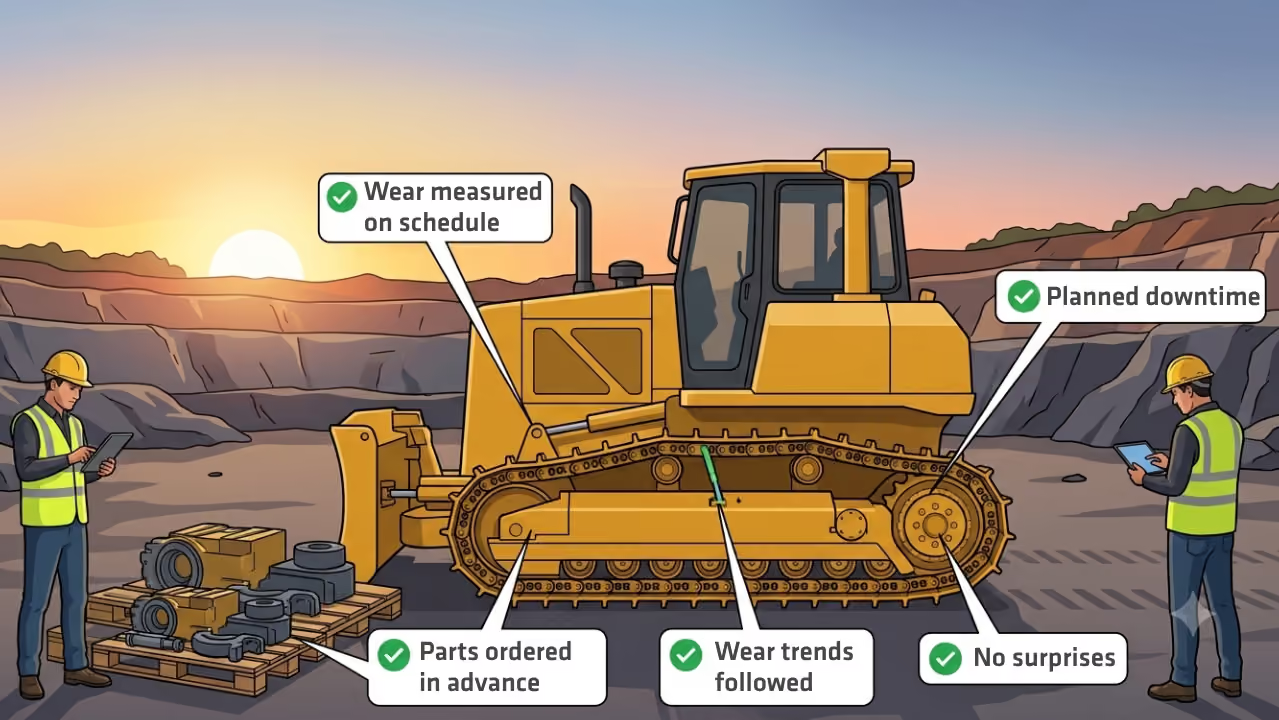
Planned undercarriage maintenance
Reactive undercarriage management
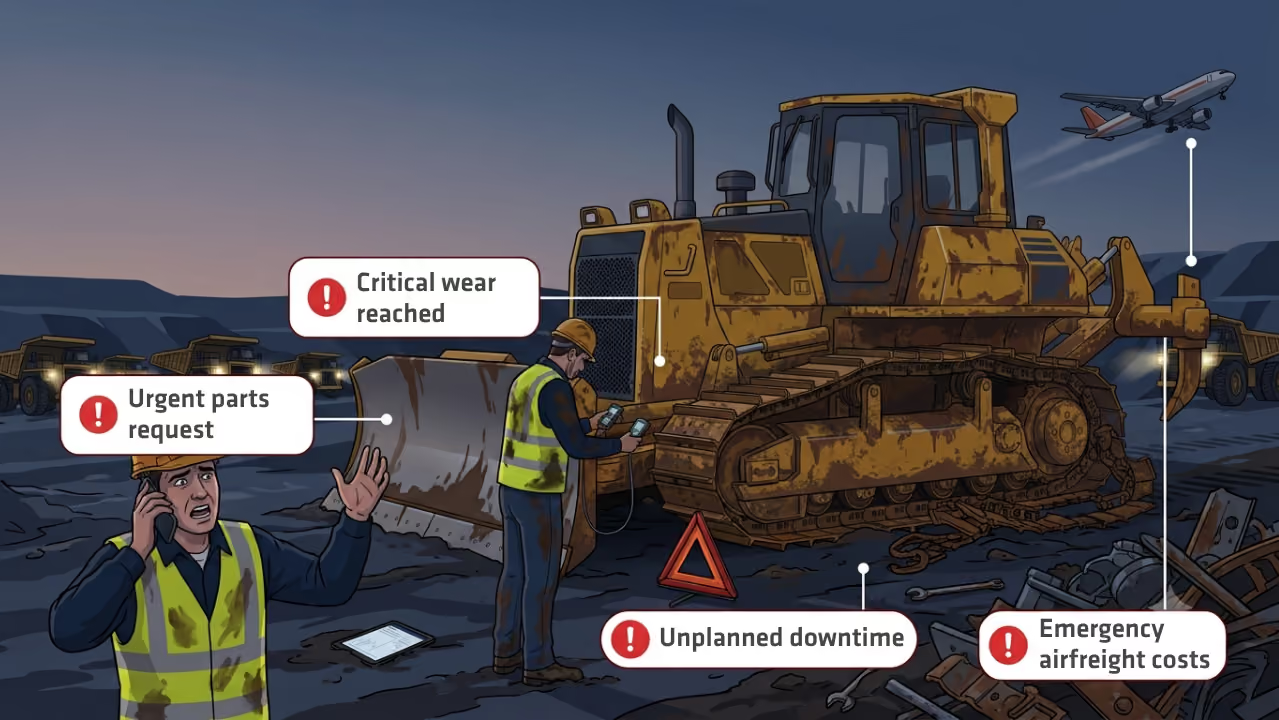
These inefficiencies can increase both maintenance costs and production losses, negatively impacting overall operational performance.
2. SMARTFLEETDX ENABLES PROACTIVE UNDERCARRIAGE MANAGEMENT
These challenges can be addressed by leveraging SmartFleetDX Insights and your technicians' measurements to enable data-driven planning and predictive maintenance.
Key capabilities include:
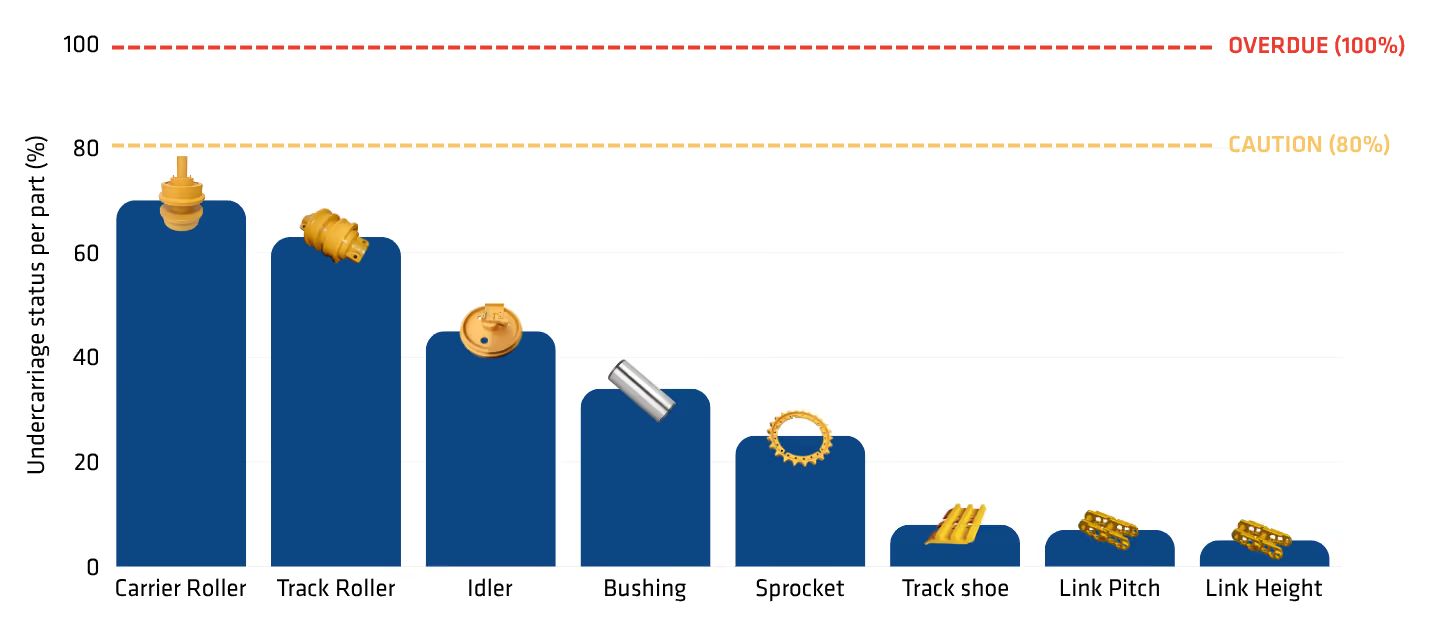
- Continuous monitoring of undercarriage wear through SmartFleetDX Insights provides visibility of wear rates and trends, enabling proactive maintenance planning.
- Predictive alerts are triggered as wear thresholds are approached (e.g. 80%), allowing action to be taken before critical wear is reached.
- Advance visibility of wear progression enables parts to be ordered ahead of time, reducing the risk of delays.
- Planned procurement and deliveries minimise reliance on costly emergency freight and expedited logistics.
- Replacement activities can be scheduled around operational requirements, reducing unplanned downtime and unexpected disruptions.
By shifting from reactive processes to predictive insights, maintenance teams can gain better control over component lifecycle and procurement strategy.
3. ESTIMATED COST SAVINGS AND POTENTIAL PRODUCTIVITY GAINS
Compared with reactive, failure-driven interventions, planned undercarriage replacement can deliver measurable cost savings and productivity improvements.
Potential cost savings
Replacing an undercarriage at the recommended wear threshold can help to avoid the additional costs typically associated with emergency maintenance.
- Emergency procurement and logistics costs can be 25–50% higher than standard planned orders due to expedited sourcing, freight costs and reduced procurement flexibility.
- Reactive maintenance interventions can cost 3–5 times more than planned maintenance when overtime labour, rush parts, additional repairs and production losses are considered.
- Timely replacement reduces the risk of secondary damage to related components, helping to contain the scope and lifecycle costs of maintenance.
- Planned interventions allow maintenance teams to schedule labour, tools and parts in advance, reducing overall maintenance expenditure and operational disruption.
Potential productivity gains
A planned replacement can reduce maintenance costs and minimise production downtime.
Illustrative operational comparison:
- Unplanned undercarriage replacement: 8 days of downtime (due to excessive wear, the need for emergency parts, additional repairs, welding and unforeseen maintenance requirements).
- Planned undercarriage replacement: 3 days (parts, labour and maintenance resources are scheduled in advance, allowing for a more efficient intervention).
- Potential productivity gain: Up to 5 additional production days per replacement event.
By identifying the need for replacement before failure occurs, financial savings can be achieved and operational productivity improved.
4. END RESULT: LOWER COSTS AND HIGHER EQUIPMENT AVAILABILITY
This scenario highlights how SmartFleetDX can transform undercarriage management into a lever for cost optimisation and productivity.
By adopting a predictive maintenance approach:
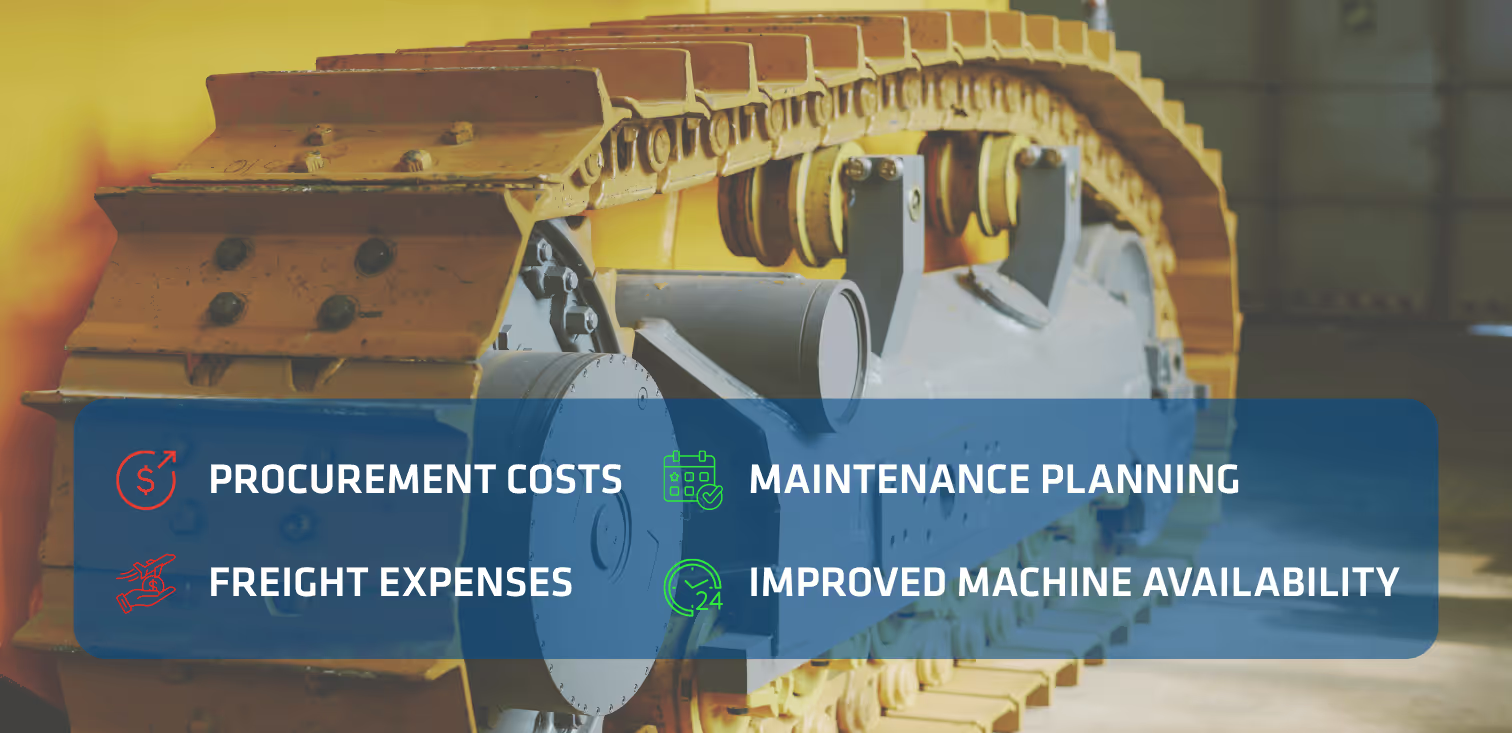
- Procurement costs can be reduced
- Freight expenses can be minimised
- Equipment downtime can be avoided
- Maintenance planning can become more efficient
Operations can improve machine availability while maintaining better control over maintenance budgets.
5. OUR EXPERT ADVICE: PLAN EARLY, SAVE MORE
While undercarriage wear is measurable, the real value lies in how this data is used.
Operations that rely solely on periodic inspections often miss the opportunity to anticipate costs and align maintenance with procurement strategies. SmartFleetDX enables a shift from simple wear monitoring to forward-looking maintenance planning, where data supports:
- Better alignment between maintenance and supply chain decisions
- Improved budget forecasting through predictable component replacement cycles
- Reduced exposure to market price fluctuations and urgent logistics
- More consistent operational performance across the fleet