
FROM MACHINE DATA TO ACTIONABLE INSIGHTS – POWERED BY HUMAN EXPERTISE
Our condition monitoring services offer predictive insights to optimise maintenance decisions and enhance asset health, minimising the risk of unplanned downtime.
What is Condition Monitoring ?
Condition Monitoring is more than just data tracking. At SmartFleetDX, we combine advanced telemetry with real human expertise.
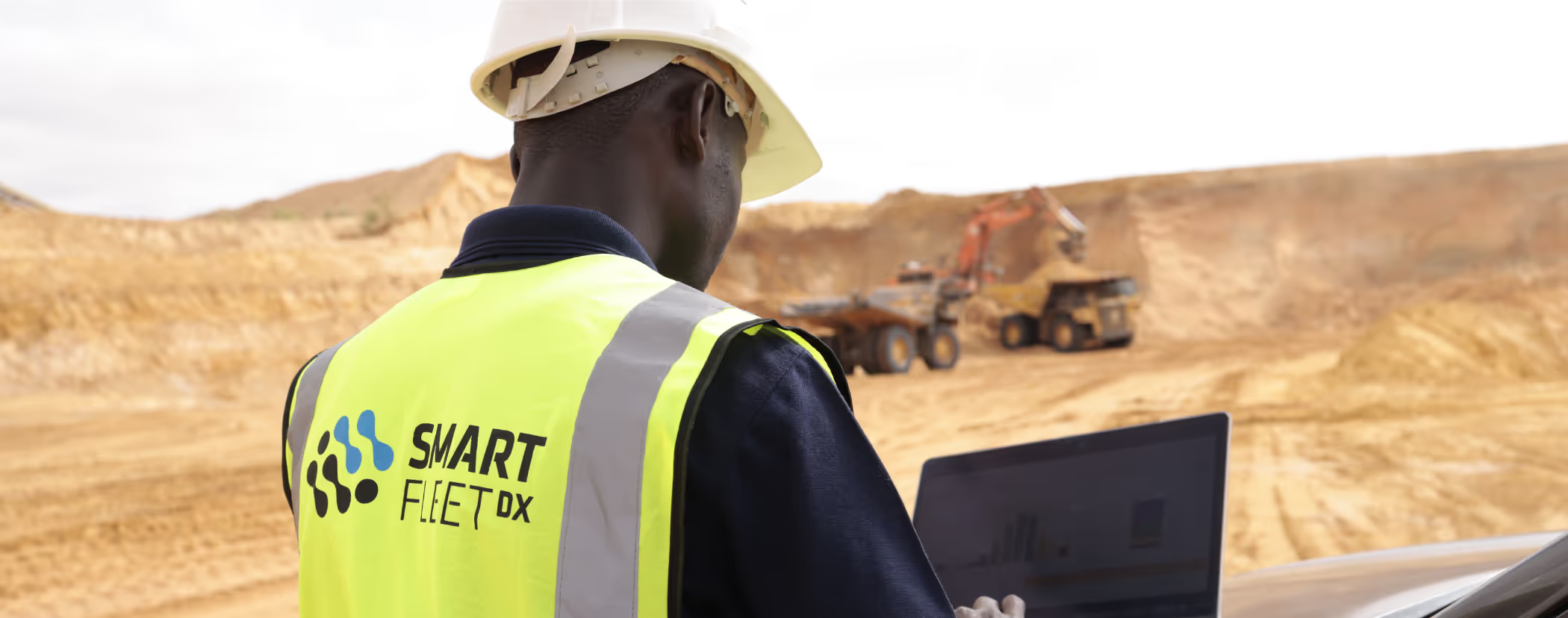
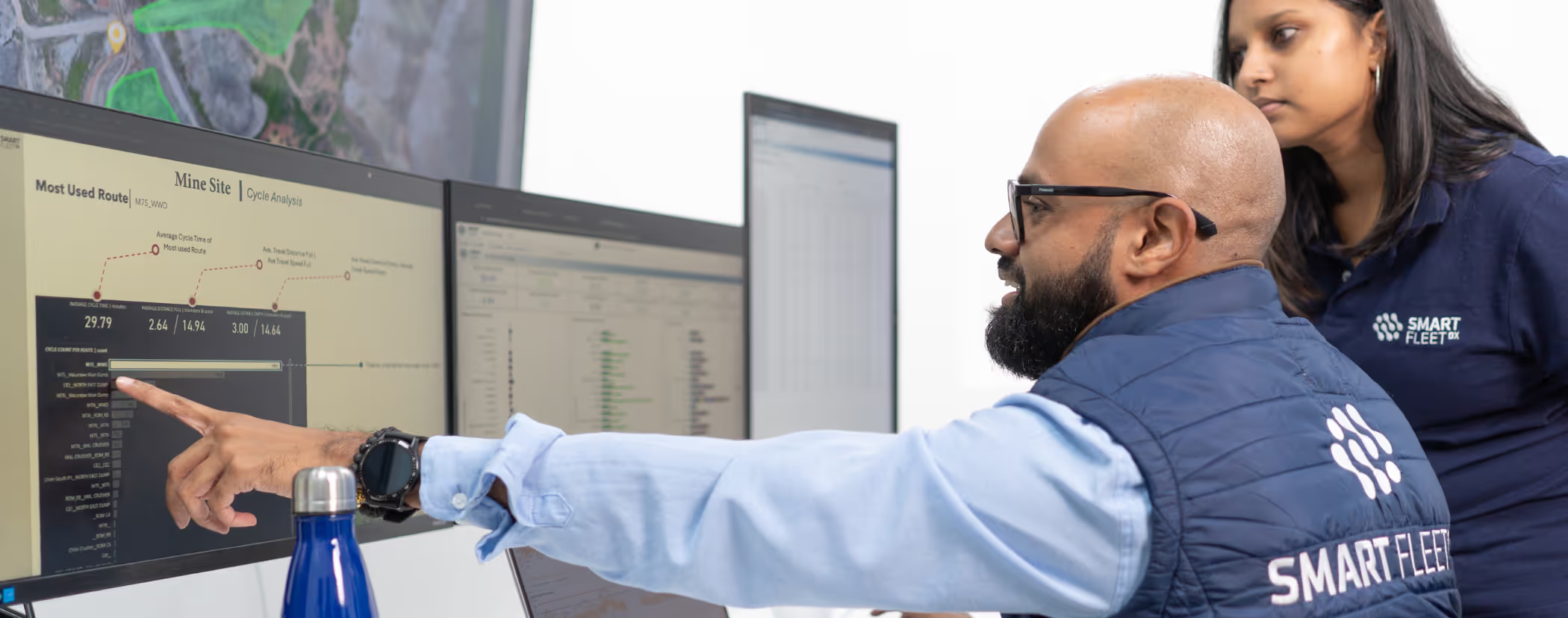
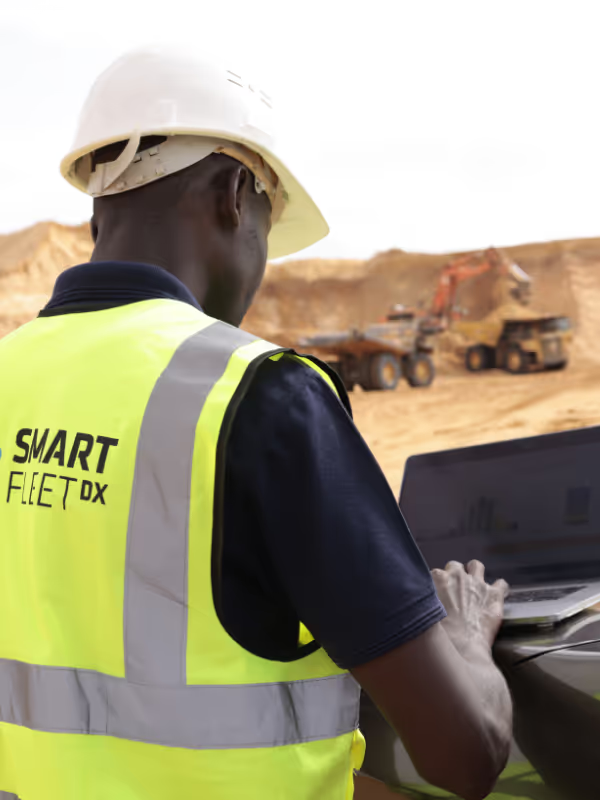
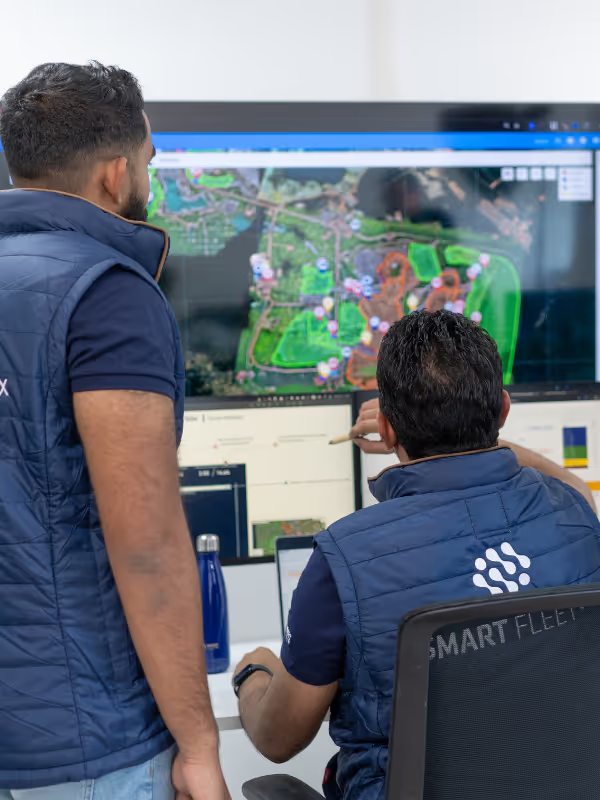
Our Monitoring Centre is staffed by former machine technicians who understand the realities of field operations. Their mission is to turn complex equipment data into clear, actionable recommendations aligned with your site’s priorities.
Every mine has its own unique challenges. That’s why our condition monitoring approach is tailored to help you extend component life, reduce unplanned downtime and lower maintenance costs through data-informed decisions.
Priority-based recommendations
We align our insights with your on-site constraints and operational targets, providing recommendations that are technically accurate and practically relevant.
Expert-led data interpretation
Our monitoring engineers are seasoned equipment specialists who analyse machine health signals in context, identifying real issues rather than just codes.
Early failure detection
Through continuous condition tracking, we help you detect anomalies and signs of wear early on, allowing you to take action before small issues escalate into major failures.
Component life optimisation
By monitoring usage patterns, operating conditions, and stress factors, we support better planning and smarter replacement decisions, thereby maximising component lifespan.
Smart Fleet Solutions
Connect, monitor and manage your assets more efficiently with our comprehensive digital fleet solutions.
Why choose SmartFleetDX?
Achieve global visibility to proactively maximise sustainability while maintaining operational excellence. Backed by expert teams and advanced analytics, you can make smarter, more environmentally friendly decisions.
Key Benefits:
• Start-stop system reduces engine idle time (20% to 40% fuel savings)
• Decrease in engine operating hours
• Reduction in fuel consumption, and thus GES emissions
• Lower maintenance costs
• Reduced engine and major component wear
• Extended machine lifespan
• Improved productivity (litres/tonne)
Ready to transition from a reactive to a proactive approach to equipment management?