
1. SIGNIFICANT TIME SAVINGS IDENTIFIED
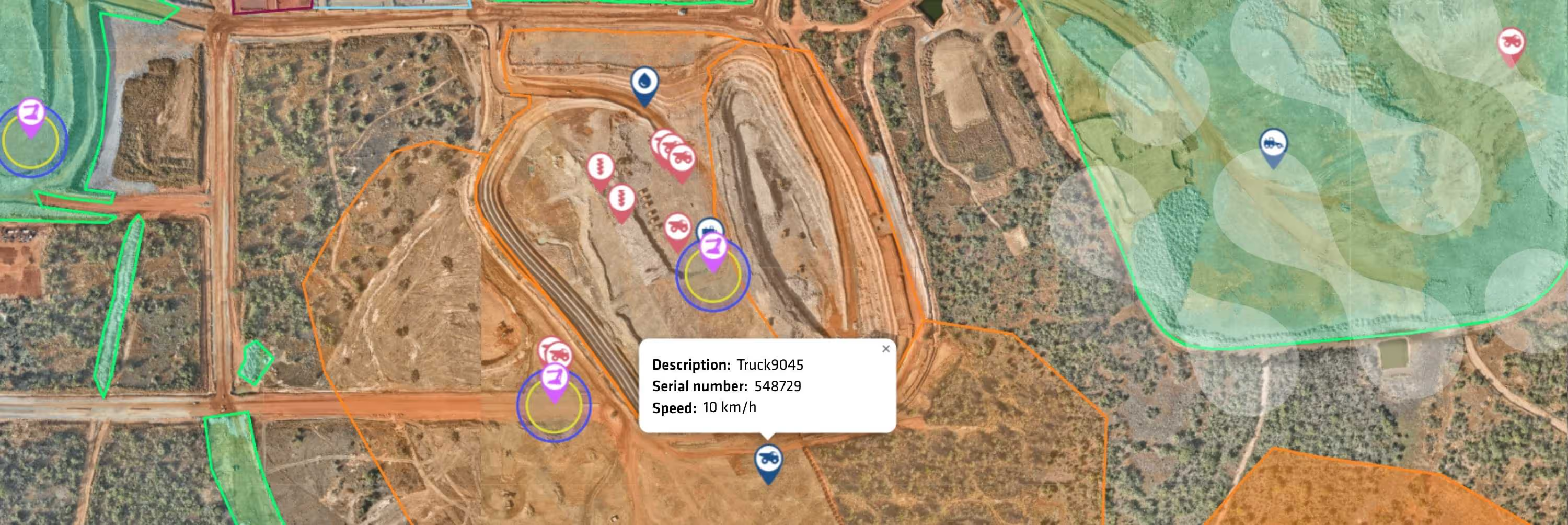
The client was experiencing significant delays during shift start-ups and end-of-shift periods, which reduced overall production efficiency and resulted in lost hours. To address these challenges and gain better operational insights, SmartFleetDX Live was integrated with the mining site's production fleet to provide greater visibility into shift timing and efficiency.
2. MEASURING IMPACT
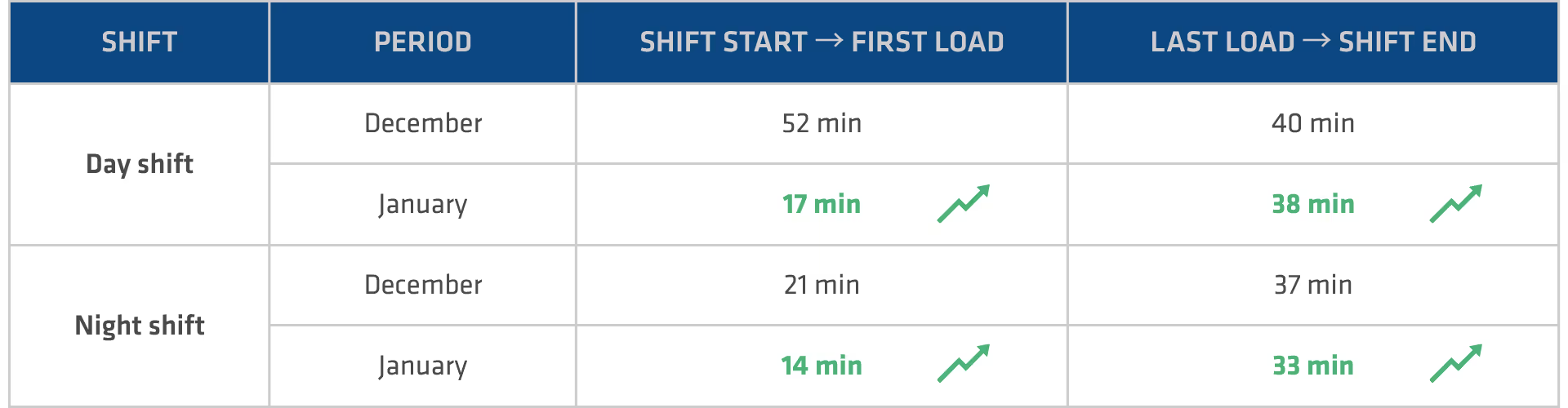
SmartFleetDX Live enabled detailed monitoring of key shift metrics, including time from shift start to first load and time from last load to shift end. These metrics were tracked and compared between December and January to identify hidden time losses and evaluate the effectiveness of process improvements.
3. INSIGHTS UNCOVERED
SmartFleetDX Live provided clear evidence of operational improvements:
Key insights observed:
- Day shift: Time to first load reduced by 67% (from 52 to 17 minutes).
- Night shift: Time to first load reduced by 33% (from 21 to 14 minutes).
- End-of-shift procedures: Time from last load to shift end improved by 5% for day shift (from 40 to 38 minutes) and by 10% for night shift (from 37 to 33 minutes).
- These improvements resulted in an additional 2 hours of production time per shift, significantly increasing overall output.
- Production gain: The client achieved a gain of 59,400 tons in January 2025, demonstrating the tangible impact of the improved shift efficiencies.
4. TURNING INSIGHTS INTO ACTION
With enhanced real-time monitoring and actionable data from SmartFleetDX Live, supervisors and operators were able to:
- Improve pre-start routines and readiness at the beginning of shifts.
- Streamline and automate end-of-shift processes, reducing idle time and improving handoffs.
- Benchmark and replicate best-performing days across teams, ensuring consistent improvements in shift efficiency.
5. RESULTS ENABLED BY SMARTFLEETDX LIVE
SmartFleetDX Live delivered measurable improvements that significantly increased the client's operational performance and production capacity.
By minimising idle time and streamlining shift transitions, the site gained additional production potential without incurring additional costs. These efficiencies contributed to a significant production increase of 59,400 tons in January 2025, demonstrating the tangible business value of optimised shift management.